Medical specialties

Plastic Surgery
This medical specialty aims to remodel, repair or restore the body form and function. Our most popular surgeries are: Blepharoplasty, Breast Implants, Cheek Implants, Chin Surgery, Tummy Tuck, Facelift.
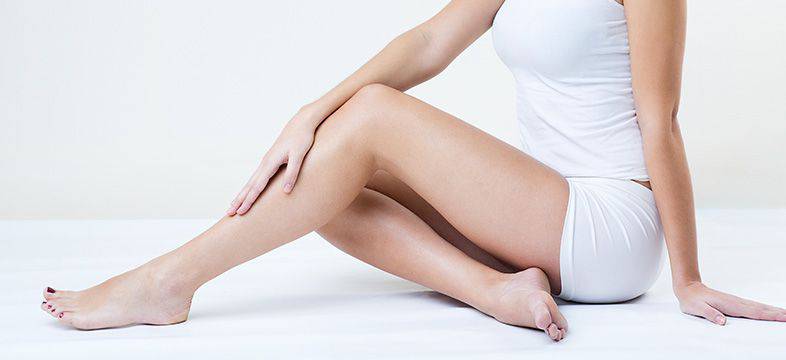
Phlebology
Our doctors use either Sclerotherapy, a microinjection procedure that requires no surgery or Varicose Vein Therapy, a minimally invasive laser treatment that requires no hospitalization and no complicated surgery.

Bariatric Surgery
Bariatric surgery will help neutralize obesity and recover your health and quality of life. Some options are: Gastric Bypass, Duodenal Switch, Gastric Sleeve Surgery, Lap Band, Metabolic Surgery.

Assisted Fertilization
The most advanced techniques of assisted fertilization to encourage pregnancy. Examine the pros, cons, and costs of each option: In Vitro Fertilization, ICSI, Oocyte Donation, Cryopreservation
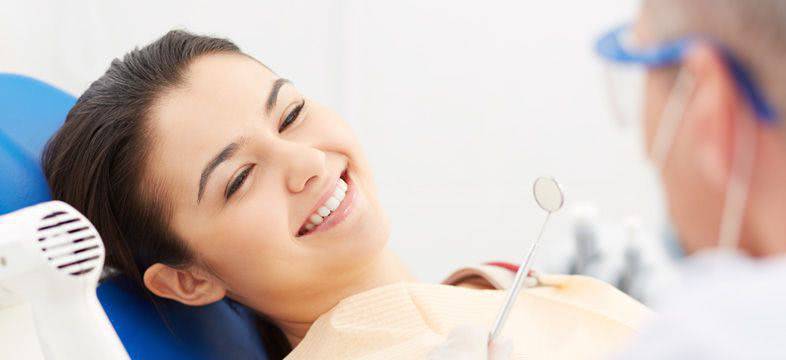
Cosmetic Dentistry
The smile of your dreams is now possible thanks to our cosmetic dental treatments: Dental Implants, Teeth Bleaching, Porcelain Veneers, Porcelain Crown.
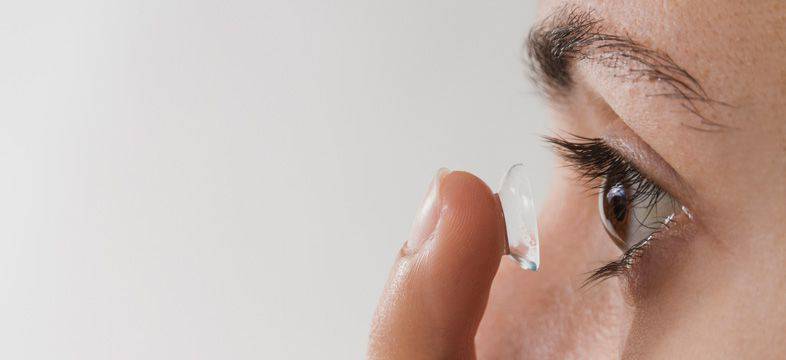
Eye Surgery
Our team of ophthalmologists has the latest laser technology to perform eye surgeries and eliminate the use of glasses: Glaucoma Surgery, Lasik Surgery among other procedures.
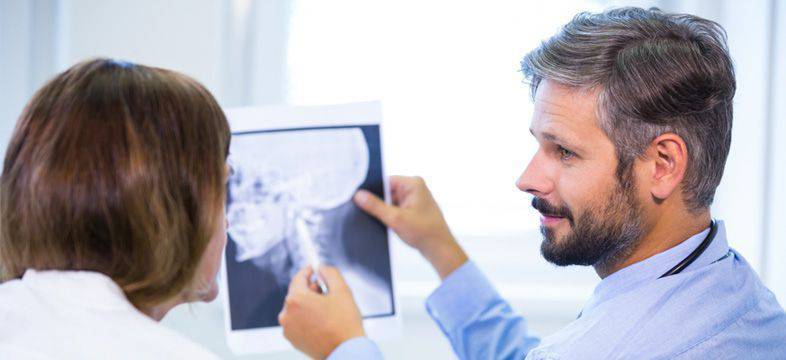
Traumatology and Orthopedics
We perform all procedures with minimally invasive techniques to recover as fast as possible: Bunion Surgery, Knee Arthroscopy, Shoulder Arthroscopy, Wrist Arthroscopy, Elbow Arthroscopy, Ankle Arthroscopy.

Vaginal Rejuvenation
Includes several surgical procedures intended to alter the functional and aesthetic appearance of the female genitalia: Hymenoplasty, Labiaplasty, Vaginoplasty.
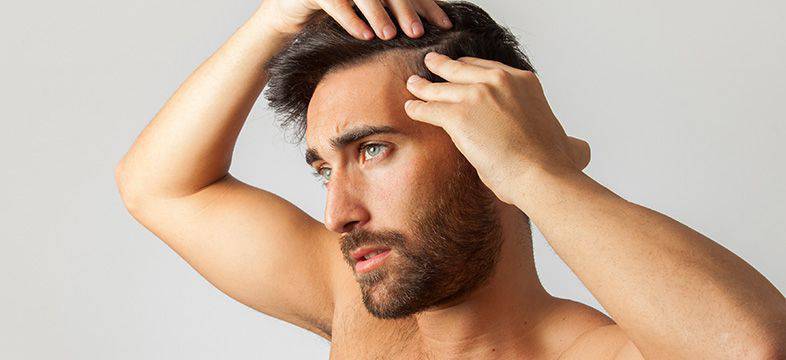
Hair Transplant
Hair Restoration Surgery gives you more natural and permanent results. We offer Follicular Unit Extraction (FUE) technique for men and women.

Aesthetic Surgery
Aesthetic medicine's mission is the restoration, maintenance and promotion of aesthetics, beauty and health. Our most popular procedures are: Botox, Butt Lift, Chemical Peels, Hyaluronic Acid, Mesotherapy, Mesotherapy Lipodissolve, Microdermabrasion, Platelet Rich Plasma, Thread Lift.